Hong Kong route planning

Hong Kong freight forwarder comparison for cross-border cargo

Compare Hong Kong freight forwarding companies by the full origin-to-destination scope, not only the departing air or sea rate. For mainland supplier cargo, identify the transfer into Hong Kong, the receiving operator, documentation responsibility, main freight, and final delivery before choosing the route.

Quick answer

Confirm the sourcing, package, and route risks before quoting.

Compare Hong Kong freight forwarding companies by the full origin-to-destination scope, not only the departing air or sea rate. For mainland supplier cargo, identify the transfer into Hong Kong, the receiving operator, documentation responsibility, main freight, and final delivery before choosing the route.

Use it to decide whether the request should start with supplier sourcing, buying support, warehouse checks, consolidation, DDP screening, or a freight quote.

Key takeaways: confirm the product and supplier context, collect packed carton data as early as possible, and ask for route review before committing to payment, pickup, or door delivery.
What JTL decides before quoting

Use this compact view to see whether the request is ready for sourcing, warehouse control, DDP screening, or freight.

Service fit

Buyers comparing direct mainland export with a confirmed Hong Kong routing option

Quote readiness

Exact physical cargo origin: Hong Kong receiving point or full mainland supplier pickup address; ready date and loading contact; Carton count, dimensions, weight, description, declared value, restrictions, and any through transport document

China-side control

Assign mainland export and Hong Kong cargo-document responsibilities if a mainland-to-Hong Kong transfer is proposed; Verify the Hong Kong receiving operator, carrier acceptance, booking cut-off, and responsibility for remeasurement or missed connections

Risk flag

Assuming free-port status removes cargo controls or documentation

Best for

  • Buyers comparing direct mainland export with a confirmed Hong Kong routing option
  • Hong Kong to Singapore requests needing clear importer, permit, and destination handoff scope

Not best for

  • Assuming free-port status removes cargo controls or documentation
  • Comparing Hong Kong main freight with a mainland all-in quote without adding the cross-border leg

What to prepare

  • Exact physical cargo origin: Hong Kong receiving point or full mainland supplier pickup address; ready date and loading contact
  • Carton count, dimensions, weight, description, declared value, restrictions, and any through transport document

Proof examples

  • DDP-ready carton data: Final DDP pricing should use real carton count, packed dimensions, weight, cargo description, and destination scope.
  • Consolidation before booking: Warehouse receiving and repacking reduce duplicated freight and make route screening more reliable.
Decision

Compare the options before you confirm the next step

Use the same request details to compare responsibilities, charges and the information still needed.

DecisionWhat to checkWhat to prepareRisk avoided
Supplier pickup and receiving are not yet confirmed Assign mainland export and Hong Kong cargo-document responsibilities if a mainland-to-Hong Kong transfer is proposed Exact physical cargo origin: Hong Kong receiving point or full mainland supplier pickup address; ready date and loading contact Dispatching cargo to an assumed address or accepting an incomplete origin quote.
Compare the complete origin-to-destination cost Verify the Hong Kong receiving operator, carrier acceptance, booking cut-off, and responsibility for remeasurement or missed connections Singapore or other destination postcode, consignee or importer contact, delivery type, deadline, and door-versus-port scope Comparing different gateways, documentation, handling, or delivery responsibilities as if they were equal.
China-side visual checks

Real operating checkpoints before the route is quoted.

Use these reference photos to understand the kind of supplier, packing, warehouse, and consolidation details JTL checks before recommending sourcing, DDP, or freight forwarding.

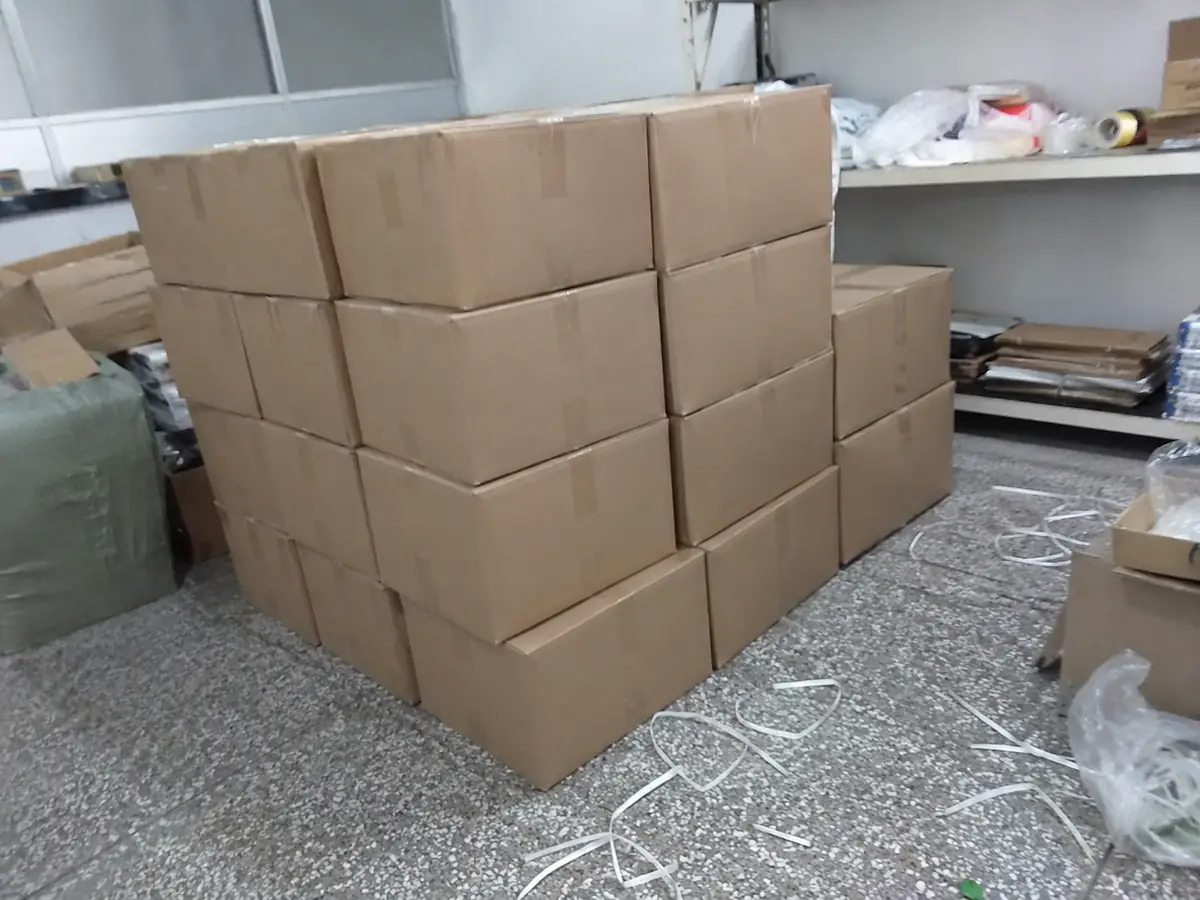
DDP cartons staged in China for warehouse consolidation and route review

DDP-ready carton data

Final DDP pricing should use real carton count, packed dimensions, weight, cargo description, and destination scope.

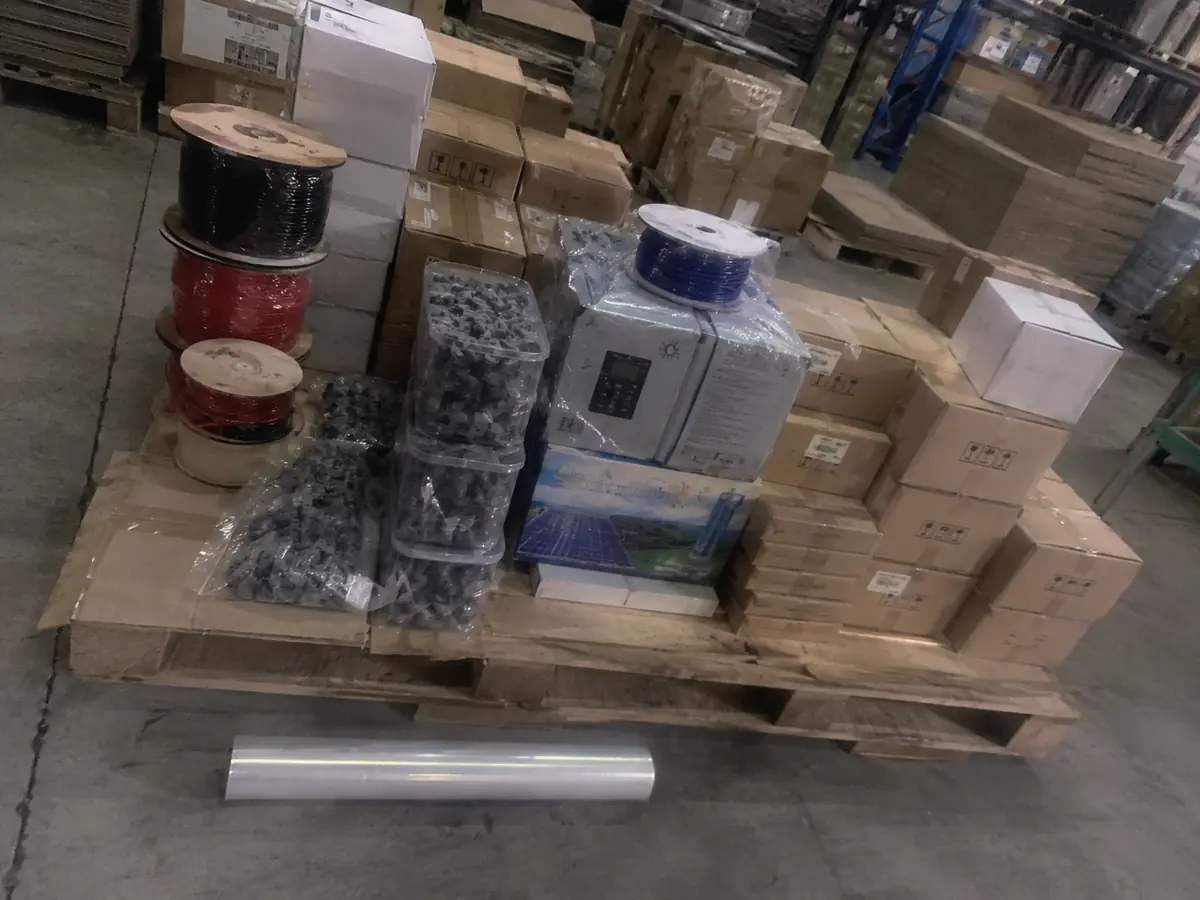
Industrial cartons consolidated on a pallet before China DDP shipment

Consolidation before booking

Warehouse receiving and repacking reduce duplicated freight and make route screening more reliable.

Foam-packed equipment accessories checked before export from China

Packing risk review

Fragile, heavy, battery, or high-value goods need packing and customs review before a door quote is trusted.

Who this helps

Use this route when the shipment needs control before booking.

Most China shipments go wrong before the carrier is selected. Supplier timing, package data, cargo restrictions, warehouse receiving, and delivery scope should be checked first.

Best for 01

Buyers comparing direct mainland export with a confirmed Hong Kong routing option

Best for 02

Hong Kong to Singapore requests needing clear importer, permit, and destination handoff scope

Best for 03

Procurement teams checking who owns each border, warehouse, and carrier handoff

Quote preparation

What JTL checks before a route is recommended

Send final package details where possible. If the supplier has not packed the goods yet, JTL can still screen the route and confirm what must be measured later.

Quote inputs · 3 items

Quote inputs

  • Exact physical cargo origin: Hong Kong receiving point or full mainland supplier pickup address; ready date and loading contact
  • Carton count, dimensions, weight, description, declared value, restrictions, and any through transport document
  • Singapore or other destination postcode, consignee or importer contact, delivery type, deadline, and door-versus-port scope
Control checks · 3 items

Operational checks

  • Assign mainland export and Hong Kong cargo-document responsibilities if a mainland-to-Hong Kong transfer is proposed
  • Verify the Hong Kong receiving operator, carrier acceptance, booking cut-off, and responsibility for remeasurement or missed connections
  • For Singapore imports, identify who obtains the Customs import permit through TradeNet and who handles applicable taxes and final delivery
Risk flags · 3 items

Mistakes to avoid

  • Assuming free-port status removes cargo controls or documentation
  • Comparing Hong Kong main freight with a mainland all-in quote without adding the cross-border leg
  • Sending cargo to an unconfirmed Hong Kong JTLGO branch or treating a regional routing option as available for every shipment
Route notes

Practical routing guidance

Route note 01 Guidance

Hong Kong Customs states that cargo arriving or leaving by air, land, or sea is subject to Customs control. Free-port status does not mean every commodity or cross-border movement can skip cargo review.

Route note 02 Guidance

Hong Kong import/export declaration rules contain exemptions, including defined cargo situations. Ask the responsible operator to identify the applicable declaration or exemption and supporting document; do not assume every transit movement has the same filing treatment.

Route note 03 Guidance

For a Hong Kong to Singapore freight forwarder request, give the actual origin, consignee, commodity, value, and final delivery address. Singapore Customs requires an import permit through TradeNet for imported goods; confirm the importer or declaring agent and applicable permit treatment for the shipment before dispatch.

Route note 04 Guidance

Compare two complete scopes where available: direct mainland export, and mainland pickup plus Hong Kong handoff plus onward freight. Include origin transport, receiving, border handling, storage exposure, main carriage, destination clearance, and delivery. A lower departure rate may not lower the delivered total.

Route note 05 Guidance

JTLGO publishes its operating address in Zhongshan, Guangdong. Request confirmation that the proposed Hong Kong route, receiving operator, and cargo type are available; this guide does not establish a JTLGO Hong Kong office or warehouse.

Reference sources: Hong Kong Customs: cargo clearance · Hong Kong Customs: import/export declaration · Singapore Customs: import permit · JTLGO published operating contact

FAQ

Questions buyers ask before shipping

How do I compare Hong Kong freight forwarding companies?

Use the same cargo and final address. Confirm physical pickup, receiving operator, cross-border handling if needed, transport document, cargo acceptance, customs and declaration responsibilities, chargeable measurement, final delivery, exclusions, and exception handling.

Can I request a Hong Kong to Singapore freight quote?

Send the actual cargo origin, product description, value, packed weight and dimensions, consignee or importer details, Singapore postcode, and deadline. The team must confirm the route, receiving arrangement, permit responsibility, and delivery scope for that shipment.

Does Hong Kong free-port status mean no customs checks?

No. Hong Kong Customs states that air, land, and sea cargo remains subject to Customs control. Product controls and applicable declaration requirements must still be checked; Singapore import requirements also apply to the onward shipment.