Air freight cost guide

Air freight cost from China: calculate chargeable weight before quoting

Air freight cost from China cannot be responsibly reduced to one permanent per-kilogram rate. A working estimate starts with chargeable weight, normally the higher of actual and volumetric weight, then checks the quoted divisor and rounding rule, origin and destination scope, service level, cargo acceptance, ready date, and final packed carton data.

Quick answer

Confirm the sourcing, package, and route risks before quoting.

Use this page when a China purchase, sourcing request, or shipment needs a practical review before money moves or cargo leaves the supplier. JTL first confirms supplier city or origin airport, cargo-ready date, destination airport or full delivery address, postal code, and required arrival window, then checks recalculate chargeable weight as the greater of actual and volumetric weight using the divisor and rounding method stated by the quoted service so the next step is based on real operating constraints rather than a generic rate.

Use it to decide whether the request should start with supplier sourcing, buying support, warehouse checks, consolidation, DDP screening, or a freight quote.

Key takeaways: confirm the product and supplier context, collect packed carton data as early as possible, and ask for route review before committing to payment, pickup, or door delivery.

What JTL decides before quoting

Use this compact view to see whether the request is ready for sourcing, warehouse control, DDP screening, or freight.

Service fit

Buyers estimating air freight cost from final or near-final packed carton data

Quote readiness

Supplier city or origin airport, cargo-ready date, destination airport or full delivery address, postal code, and required arrival window; Per-carton actual weight and final packed length, width, and height in the units stated in the quote, plus total carton count

China-side control

Recalculate chargeable weight as the greater of actual and volumetric weight using the divisor and rounding method stated by the quoted service; Separate base air carriage from pickup, origin handling, security or fuel surcharges, export documents, destination handling, customs, duties, and final delivery

Risk flag

Using actual weight when volumetric weight is higher

Best for

  • Buyers estimating air freight cost from final or near-final packed carton data
  • Urgent supplier orders where chargeable weight and delivery scope must be compared before choosing air or express

Not best for

  • Using actual weight when volumetric weight is higher
  • Assuming every provider uses the same volumetric divisor, piece-level rounding, minimum charge, or billing increment

What to prepare

  • Supplier city or origin airport, cargo-ready date, destination airport or full delivery address, postal code, and required arrival window
  • Per-carton actual weight and final packed length, width, and height in the units stated in the quote, plus total carton count

Proof examples

  • DDP-ready carton data: Final DDP pricing should use real carton count, packed dimensions, weight, cargo description, and destination scope.
  • Consolidation before booking: Warehouse receiving and repacking reduce duplicated freight and make route screening more reliable.
Decision table

Turn the buyer question into a checked sourcing workflow.

These rows make the page more useful for procurement teams and easier for AI search systems to cite as a structured answer.

Buyer decisionJTL checkWhat to sendRisk avoided
Calculate chargeable weight before comparing air freight cost from China Compare total actual weight with volumetric weight using the divisor, unit, per-piece treatment, and rounding rule stated in each quote. Final per-carton length, width, height, actual weight, carton count, and the provider’s volumetric divisor and rounding method. Avoids comparing a scale-weight estimate with a quote billed on larger volumetric weight.
Decide whether two air freight quotes cover the same service Normalize pickup, origin handling, main carriage, surcharges, destination handling, customs, duties, and final-mile inclusions. Both written quotes, Incoterm or handoff point, origin, destination address, address type, customs scope, and required delivery point. Avoids selecting a lower headline rate that excludes required origin or destination work.
Choose express, consolidated air, airport delivery, or door delivery Match the route to urgency, shipment size, cargo acceptance, tracking, customs handoff, and final-mile needs. Cargo-ready date, required arrival window, destination, carton data, cargo description, value, and restriction documents. Avoids choosing a service that is fast on the main leg but unsuitable for the cargo or final handoff.
Decide whether the amount is a planning estimate or a final bookable quote Treat pre-packing figures as estimates; confirm cost only after final measurements, route acceptance, capacity, and quote validity are checked. Warehouse measurements, final packing status, cargo-ready date, acceptance documents, selected route, and quote validity window. Avoids presenting a supplier estimate or expired spot quote as a guaranteed final air freight cost.
China-side visual checks

Real operating checkpoints before the route is quoted.

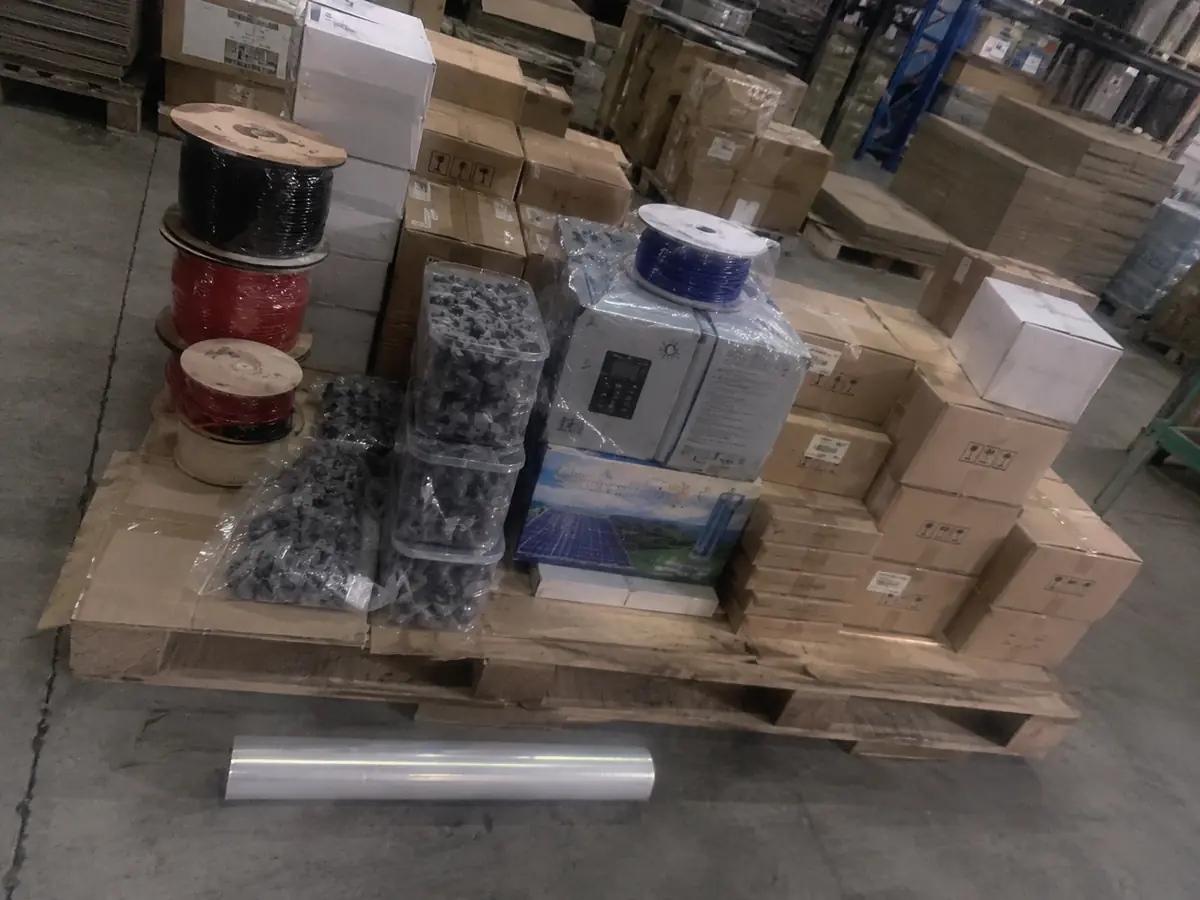
Use these reference photos to understand the kind of supplier, packing, warehouse, and consolidation details JTL checks before recommending sourcing, DDP, or freight forwarding.

DDP cartons staged in China for warehouse consolidation and route review

DDP-ready carton data

Final DDP pricing should use real carton count, packed dimensions, weight, cargo description, and destination scope.

Industrial cartons consolidated on a pallet before China DDP shipment

Consolidation before booking

Warehouse receiving and repacking reduce duplicated freight and make route screening more reliable.

Foam-packed equipment accessories checked before export from China

Packing risk review

Fragile, heavy, battery, or high-value goods need packing and customs review before a door quote is trusted.

Who this helps

Use this route when the shipment needs control before booking.

Most China shipments go wrong before the carrier is selected. Supplier timing, package data, cargo restrictions, warehouse receiving, and delivery scope should be checked first.

Best for 01

Buyers estimating air freight cost from final or near-final packed carton data

Best for 02

Urgent supplier orders where chargeable weight and delivery scope must be compared before choosing air or express

Best for 03

Amazon or B2B replenishment shipments with firm deadlines and confirmed cargo restrictions

Quote preparation

What JTL checks before a route is recommended

Send final package details where possible. If the supplier has not packed the goods yet, JTL can still screen the route and confirm what must be measured later.

Quote inputs · 4 items

Quote inputs

  • Supplier city or origin airport, cargo-ready date, destination airport or full delivery address, postal code, and required arrival window
  • Per-carton actual weight and final packed length, width, and height in the units stated in the quote, plus total carton count
  • Plain cargo description, HS code if known, invoice value, and any battery, liquid, powder, magnet, brand, medical, or dangerous-goods concern
  • Required scope: airport-to-airport or door delivery, pickup, export documents, customs support, duty/tax handling, and final-mile requirements
Control checks · 4 items

Operational checks

  • Recalculate chargeable weight as the greater of actual and volumetric weight using the divisor and rounding method stated by the quoted service
  • Separate base air carriage from pickup, origin handling, security or fuel surcharges, export documents, destination handling, customs, duties, and final delivery
  • Confirm battery, liquid, powder, magnet, brand, medical, and dangerous-goods acceptance before treating a rate as bookable
  • Compare express, consolidated air, airport-to-airport, and air plus final-mile scope against the same cargo-ready date and delivery requirement
Risk flags · 5 items

Mistakes to avoid

  • Using actual weight when volumetric weight is higher
  • Assuming every provider uses the same volumetric divisor, piece-level rounding, minimum charge, or billing increment
  • Missing restricted cargo details before the quote
  • Assuming every air freight quote includes duty, tax, or final delivery
  • Booking before cartons are packed and dimensions are confirmed
Route notes

Practical routing guidance

Route note 01 Guidance

Volumetric weight in kilograms is commonly calculated as carton length × width × height in centimetres divided by the divisor stated in the quote. Do not assume one universal divisor: air-cargo, courier, lane, and contract rules can differ.

Route note 02 Guidance

Chargeable weight is normally the greater of actual and calculated volumetric weight, subject to the provider’s minimum, per-piece or shipment-level calculation, and rounding rules.

Route note 03 Guidance

A comparable cost build starts with the applicable rate and chargeable weight, then itemizes any pickup, origin handling, security or fuel surcharge, export document, destination handling, customs, duty/tax, and final-mile scope.

Route note 04 Guidance

Treat supplier dimensions as an estimate until cartons are finally packed and measured. A final quote also depends on cargo acceptance, capacity, routing, destination, service level, and cargo-ready date.

FAQ

Questions buyers ask before shipping

How is air freight cost from China calculated?

Start with chargeable weight, normally the higher of actual and volumetric weight under the quoted provider’s divisor and rounding rules. Then confirm the applicable rate, pickup, origin handling, surcharges, destination handling, customs scope, duties or taxes, and final delivery. Cargo acceptance, ready date, route, and capacity can also change the final quote.

What volumetric divisor should I use for air freight from China?

Use the divisor written in the specific carrier or forwarder quote. Volumetric weight is commonly based on length × width × height, but air-cargo and courier services can use different divisors, units, minimums, and rounding rules. Ask whether calculation is per piece or across the shipment before comparing costs.

When should I choose air freight from China?

Choose air freight when the shipment is urgent, moderate in size, valuable enough to justify faster delivery, or needed for a fixed replenishment deadline.